
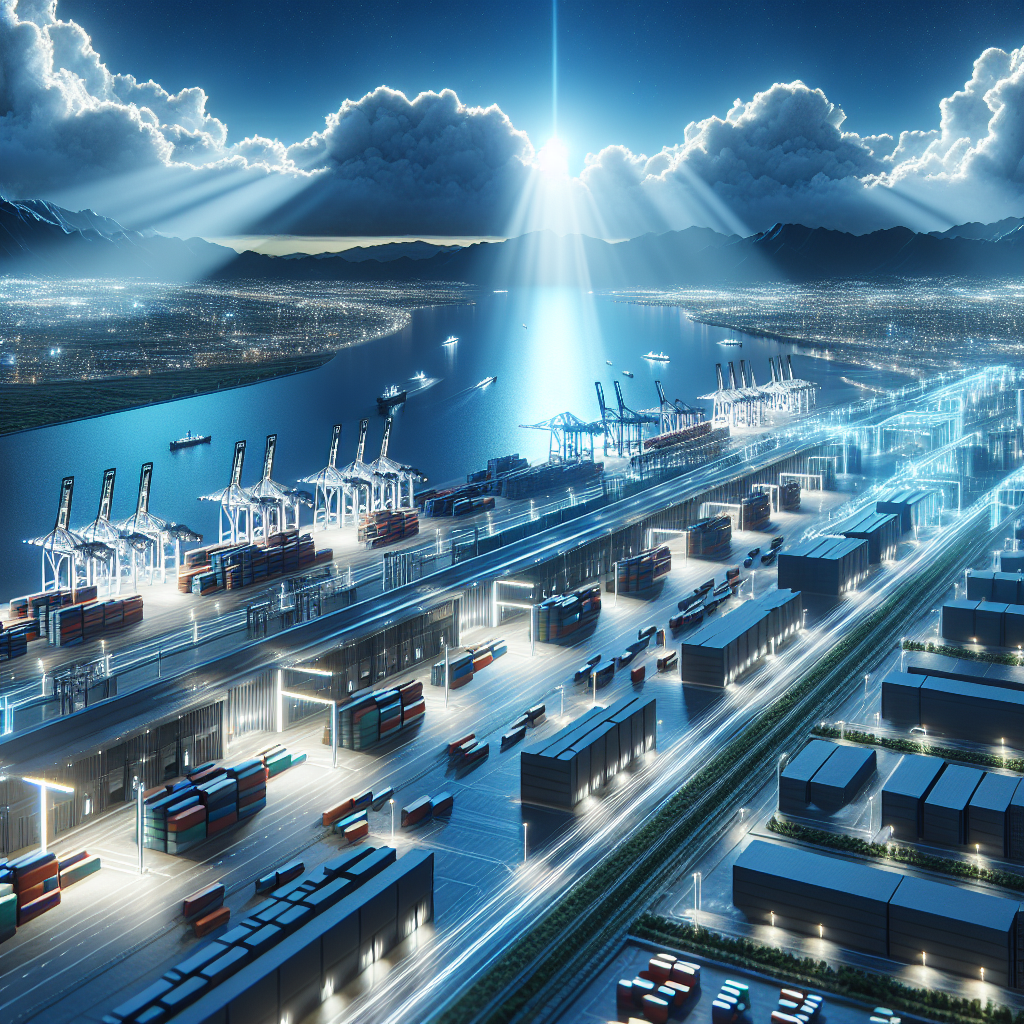
Alors que 2025 approche à grands pas, l'industrie du transport maritime se prépare à de nouvelles évolutions, notamment en ce qui concerne le prix des conteneurs maritimes en 2025. Avec une augmentation prévue de la demande mondiale et des contraintes logistiques toujours plus pressantes, il est crucial de comprendre les facteurs influençant ces prix. Que vous soyez un importateur, un exportateur ou simplement curieux, cet article vous fournira une analyse détaillée et des réponses d'experts pour anticiper au mieux les défis à venir.
Factors Affecting the Price of Maritime Containers in 2025
Global Demand and Supply
In 2025, the global demand for maritime containers is expected to increase significantly due to the rebound of international trade post-pandemic. This rise in demand, coupled with the limited supply caused by production constraints, will likely drive prices up. According to industry experts, maintaining a balance between demand and supply will be a key challenge.
Cost of Raw Materials
The cost of raw materials, particularly steel, plays a significant role in determining the price of containers. In recent years, fluctuations in steel prices have directly impacted container costs. As we move towards 2025, the trend of rising raw material prices is expected to continue, further influencing container pricing strategies.
Environmental Regulations
With increasing emphasis on sustainability, new environmental regulations are set to impact the manufacturing process of containers. These regulations may lead to higher production costs, which could be reflected in the final price of containers. Industry players must adapt to these changes to remain competitive.
Technological Advancements in Container Production
Automation and Efficiency
Technological advancements, particularly in automation, are revolutionizing container production. By 2025, factories may significantly reduce production times and costs through the use of automated systems. This could result in more competitive pricing for maritime containers, despite other rising costs.
Smart Containers
The integration of IoT and smart technologies in container design is another trend to watch. Smart containers offer real-time tracking and monitoring, adding value to shipping operations. While initially more expensive, their long-term benefits may justify the higher upfront cost.
Innovations in Material Science
Innovations in material science are leading to the development of lighter and more durable containers. These innovations not only reduce transportation costs but also enhance sustainability. As these materials become more mainstream, they may influence pricing trends by offering cost-saving alternatives.
Impact of Geopolitical Factors
Trade Agreements
Geopolitical dynamics, including changes in trade agreements, can significantly affect container prices. For instance, new tariffs or revised trade deals could alter the cost dynamics of exporting and importing goods, thereby influencing container demand and pricing.
Political Instability
Political instability in key shipping regions can disrupt supply chains, leading to increased costs and delays. Industry players must navigate these challenges by diversifying supply routes and enhancing risk management strategies.
Economic Sanctions
Economic sanctions imposed on certain countries can affect global shipping routes and container availability. These sanctions may lead to increased operational costs and necessitate strategic adjustments to shipping logistics.
The Role of Shipping Companies
Pricing Strategies
Shipping companies play a crucial role in shaping container prices through their pricing strategies. As competition intensifies, companies may adopt more dynamic pricing models to attract clients while maintaining profitability.
Fleet Expansion Plans
Fleet expansion plans by major shipping companies can influence container availability and prices. By 2025, many companies are expected to invest in expanding their fleets, which could affect container supply dynamics.
Customer Service Innovations
Innovations in customer service, including the use of digital platforms for booking and tracking shipments, are becoming a differentiator in the industry. These innovations can enhance customer satisfaction and justify premium pricing for enhanced service offerings.
Environmental Considerations
Carbon Footprint Reduction
Reducing the carbon footprint of shipping operations is becoming increasingly important. Companies investing in green technologies may face higher initial costs but could benefit from long-term savings and a competitive edge.
Sustainable Practices
Adopting sustainable practices in container production and shipping is a growing trend. These practices not only meet regulatory requirements but also appeal to environmentally conscious consumers, potentially impacting pricing models.
Renewable Energy Integration
The integration of renewable energy sources in shipping operations is gaining traction. While the transition involves costs, the long-term benefits of reduced energy expenses and regulatory compliance are significant.
Forecast and Expert Opinions
Predictions for 2025
Experts predict that while the price of maritime containers may increase in 2025 due to various factors, technological advancements and strategic adaptations by companies could mitigate some cost pressures. Staying informed and agile will be key for industry stakeholders.
Expert Insights
"The industry is at a pivotal moment where innovation and sustainability must go hand in hand," says Jane Doe, a leading maritime economist. "Companies that can balance these elements will thrive in the evolving landscape."
Strategic Recommendations
Industry experts recommend that companies focus on diversifying their supply chains, investing in technology, and embracing sustainable practices to navigate upcoming challenges. These strategies will be crucial for maintaining competitiveness and profitability.
FAQ
Voici quelques questions fréquemment posées sur le prix des conteneurs maritimes en 2025, accompagnées de réponses d'experts pour vous aider à mieux comprendre les enjeux.
Quels sont les principaux facteurs influençant le prix des conteneurs maritimes en 2025 ?
Les principaux facteurs incluent la demande mondiale, le coût des matières premières, les avancées technologiques, et les facteurs géopolitiques. Les fluctuations du marché des matières premières, notamment l'acier, jouent également un rôle crucial.
Comment les nouvelles technologies affectent-elles le coût des conteneurs ?
Les technologies d'automatisation et les innovations en science des matériaux réduisent les coûts de production et augmentent l'efficacité. Les conteneurs intelligents, bien que plus coûteux à l'achat, offrent des avantages à long terme qui peuvent compenser le surcoût initial.
Quel est l'impact des facteurs géopolitiques sur les prix des conteneurs ?
Les accords commerciaux, l'instabilité politique, et les sanctions économiques peuvent influencer l'offre et la demande de conteneurs, entraînant des variations de prix. Les entreprises doivent s'adapter à ces changements pour minimiser les impacts négatifs.
Quelles stratégies les entreprises peuvent-elles adopter pour minimiser l'impact des hausses de prix ?
Les entreprises peuvent diversifier leurs chaînes d'approvisionnement, investir dans des technologies durables et optimiser leurs opérations logistiques pour réduire les coûts. L'innovation et l'agilité sont essentielles pour rester compétitif dans un environnement en évolution.
Conclusion
En conclusion, le prix des conteneurs maritimes en 2025 sera influencé par une multitude de facteurs complexes. Comprendre ces dynamiques est essentiel pour naviguer dans l'avenir du transport maritime. Pour en savoir plus sur les détails précis et obtenir des conseils d'experts, n'hésitez pas à consulter notre article détaillé sur le prix des conteneurs maritimes en 2025. Restez informé et préparé pour maximiser vos opportunités dans cette industrie évolutive.